On-Site Chlorine Generation Technology
On-Site Chlorine Generation Systems for Multiple Industries
Our technology produces fresh sodium hypochlorite using only salt, water, and electricity, providing a reliable source of chlorine for municipal, industrial, commercial, agricultural, hospital, food processing, and emergency response applications.
Variety of products operated by solar energy and A/C.
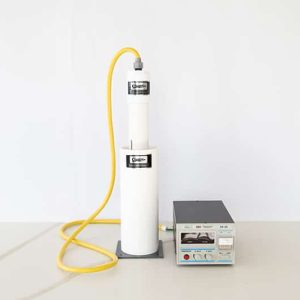
AC-5 Solar
- Solar-Powered Unit.
- Produces 24 Liters of Disinfectant Chlorine Per Day (1 Liter Per Hour).
- Sanitizes 3,000 Liters Of Water Per Hour.
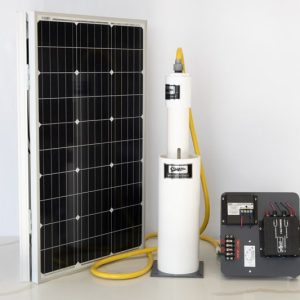
AC-25 Solar
- Solar-Powered Unit.
- Produces 100 Liters of Disinfectant Chlorine Per Hour.
- Sanitizes 12,500 Liters Of Water Per Hour At 2ppm.
AC-25 Electric
- A/C powered unit.
- Produces 100 Liters of Disinfectant Chlorine Per Hour.
- Sanitizes 12,500 liters of water per hour at 2ppm.
AC-50 Electric
- A/C powered unit.
- Produces 200 Liters of Disinfectant Chlorine Per Hour.
- Sanitizes 25,000 liters of water per hour at 2ppm.
AC-100 Electric
- A/C powered unit.
- Produces 400 Liters of Disinfectant Chlorine Per Hour.
- Sanitizes 50,000 liters of water per hour at 2ppm.
AC-200 Electric
- A/C powered unit.
- Produces 800 Liters of Disinfectant Chlorine Per Hour.
- Sanitizes 100,000 liters of water per hour at 2ppm.
Guided selection
Find your Hydramet® model
Tell us your application, flow rate, or chlorine production and we will recommend the right unit.
Low-cost Technology and Operating Requirements
Basic technology
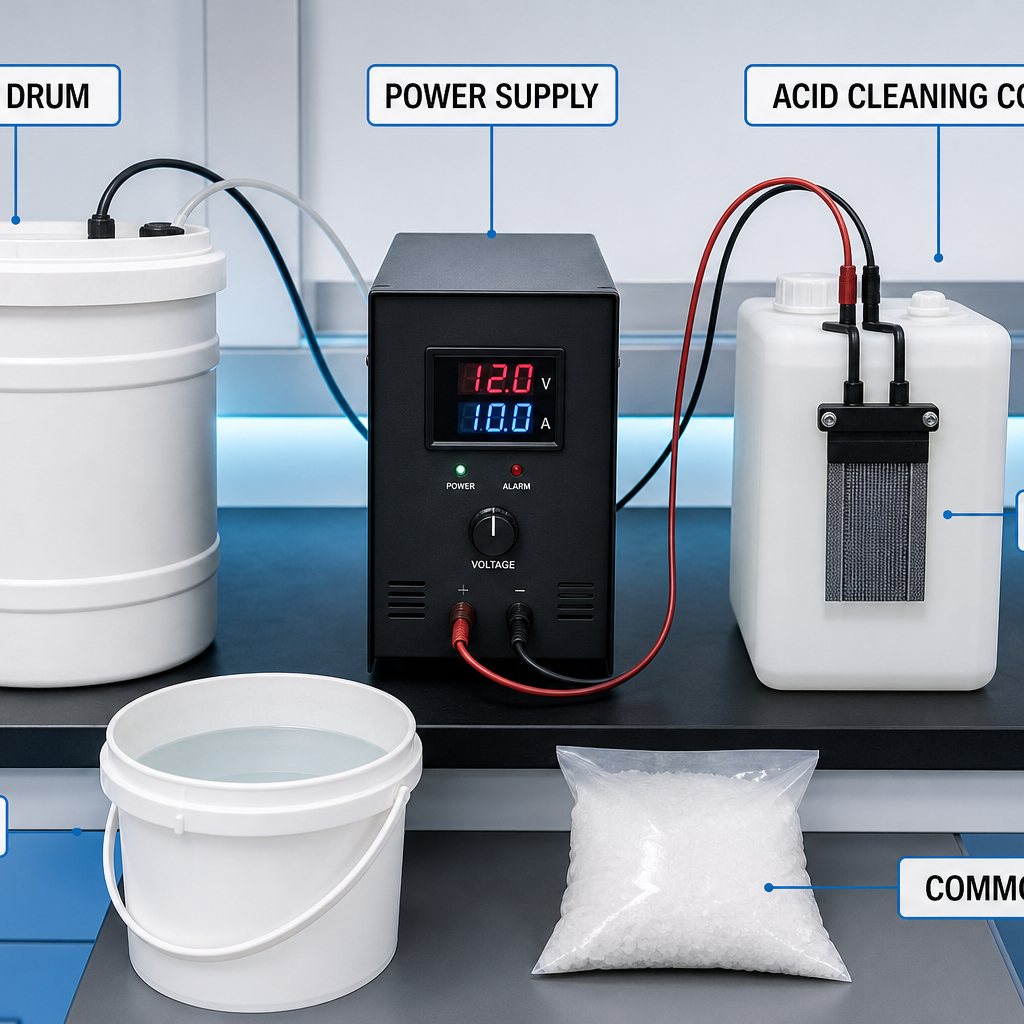
Power Supply:
“Switching” type power supply based on solid-state transistors that will stand voltage fluctuations in the network. Common linear type transformers are not appropriate in an electrolytic process because they output constant voltage and permits current (amps) fluctuation.
- To output constant current (amps) while permitting an automatic voltage adjustment in order to generate a constant concentration of sodium hypochlorite. The floating voltage is necessary to dynamically keeps a constant current while the electrical conductivity of the brine changes due to the loss of salt that turns into NaOCl and the heat generated in the electrolytic process.
- To include a electric timer switch that in case of energy interruption will restart the system when the energy returns from the time that the energy was interrupted and stop the process at the required predetermined time.
- To include digital voltmeter and ammeter. Analog meters are not accepted because they are susceptible to oxidation by chlorine gases emanating from the process.
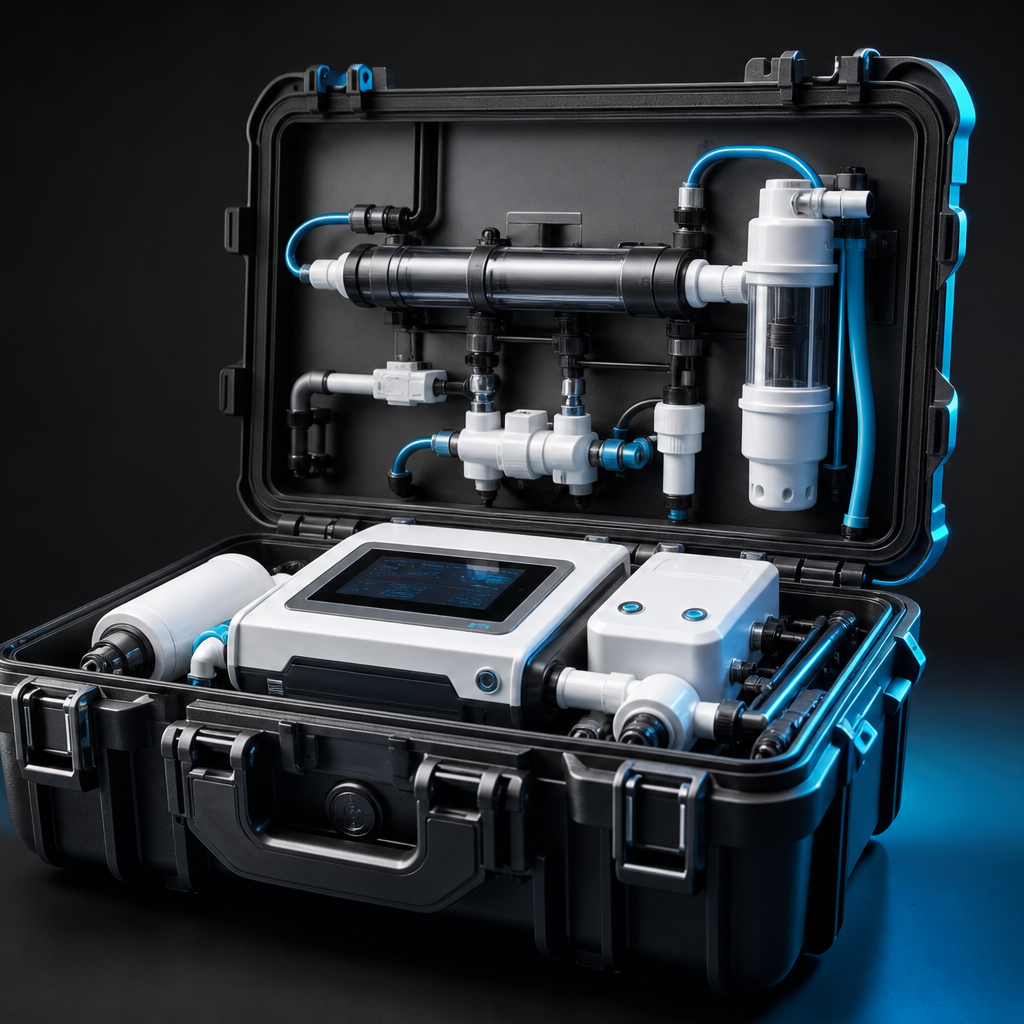
Electrode:
- Made out of titanium and coated with Dimensionally Stable Anode (DSA) for electrical efficiency and durability.
- That can be disassembled for maintenance and replacement of internal parts.
- With electrolytic grade copper cables.
- Equipped with a container for acid cleaning and storage when not in use.